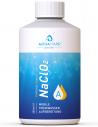
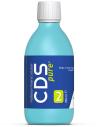
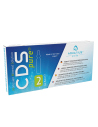
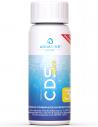
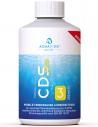
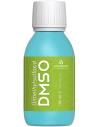
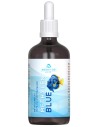
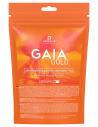
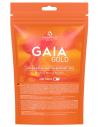
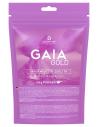
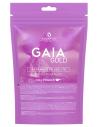
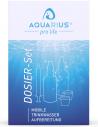
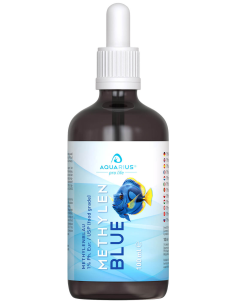
Our 1% methylene blue solution consists exclusively of pharmaceutical ingredients. Free from additives, solvent residues, and nanoparticles, our methylene blue solution undergoes rigorous quality controls, is laboratory tested, manufactured in Germany, and is vegan – containing no animal products. The application of our methylene blue drops is facilitated by a high-quality pipette that allows for precise dosing. Packaged in a popular 100 ml brown bottle, our product combines functionality with aesthetics.
Simple dosage
Each drop contains approximately 0.5 mg of methylene blue. Regardless of the indication: start with 5 drops once daily, diluted in a glass of water or juice, and drink. If well tolerated, after 4-5 days, increase to 10 drops once daily. If necessary, continue with 10 drops 2-3 times daily. You can also start with 5 drops once a day and increase by 1 drop daily.
Important notice
Methylene blue is not approved as a food or food supplement in Germany and the European Union according to the EU Novel Food Regulation. Methylene blue is not a hazardous substance as defined by Regulation (EC) No. 1272/2008. This substance is not classified as hazardous according to Directive 67/548/EEC. EUH210 Safety data sheet available on request.
Please use with care! Methylene blue is a very strong stain, especially on paper and textiles.